
"half pound"
1000 article(s) found

Ethiopian Coffee Flavor and Taste introduction of fine coffee beans in Ethiopian coffee producing areas
Coffee is Ethiopia's most important export cash crop and the main source of Ethiopia's foreign exchange earnings. Ethiopia's coffee exports account for about 3% of the world market, making it the eighth largest coffee exporter in the world. Coffee exports increased steadily from 58000 tons in 1990 to 110000 tons in 1995-1996 and remained at this level in the following years. 2001-2002

Flavor description of Coffee beans with the characteristics of the Lion King in Sidamo A brief introduction to the varieties of taste treatment
Sidamo Lion King characteristic flavor description of coffee beans taste treatment varieties introduce sun-cured coffee accounts for 65% of exports. Mainly picked by families, red coffee beans are placed on cement floors or on high tables to dry to about 11.5% humidity, then peeled and cleaned. Before the decline, coffee exports accounted for more than half of Ethiopia's foreign exchange earnings, but now they account for only about 35%.

Ethiopian Coffee Manor Flavor description Grinding degree Variety characteristics introduction to the taste of fine coffee beans
In Ethiopia, the grading and quality control system of coffee is divided into three levels: producer, regional and national. All coffee is inspected by local inspection agencies before leaving the country of origin, and then re-tested at the coffee inspection and grading centers in Addis and Diredawa to determine its quality grade. Coffee is graded before auction and sale, for all involved in production, acquisition,

Ethiopian Coffee Flavor and Taste introduction of fine coffee beans in estates of Ethiopian coffee producing areas
Coffee is Ethiopia's most important export cash crop and the main source of Ethiopia's foreign exchange earnings. Ethiopia's coffee exports account for about 3% of the world market, making it the eighth largest coffee exporter in the world. Coffee exports increased steadily from 58000 tons in 1990 to 110000 tons in 1995-1996 and remained at this level in the following years. 2001-2002

Description of Coffee Raw Bean species and Flavor in Ethiopia; introduction to the characteristics of varieties and regions
In Ethiopia, the grading and quality control system of coffee is divided into three levels: producer, regional and national. All coffee is inspected by local inspection agencies before leaving the country of origin, and then re-tested at the coffee inspection and grading centers in Addis and Diredawa to determine its quality grade. Coffee is graded before auction and sale, for all involved in production, acquisition,
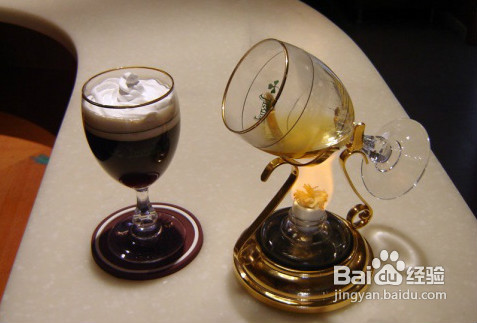
Ethiopian coffee varieties with wine-like sour taste introduce boutique coffee beans
In Ethiopia, the grading and quality control system of coffee is divided into three levels: producer, regional and national. All coffee is inspected by local inspection agencies before leaving the country of origin, and then re-tested at the coffee inspection and grading centers in Addis and Diredawa to determine its quality grade. Coffee is graded before auction and sale, for all involved in production, acquisition,

Acidity and texture of Sidamo Coffee Bean Flavor taste the characteristics of the manor producing area introduce Sidamo Shakiso
Coffee is Ethiopia's most important export cash crop and the main source of Ethiopia's foreign exchange earnings. Ethiopia's coffee exports account for about 3% of the world market, making it the eighth largest coffee exporter in the world. Coffee exports increased steadily from 58000 tons in 1990 to 110000 tons in 1995-1996 and remained at this level in the following years. 2001-2002

The taste of Ethiopian coffee with the aroma of dried fruit. Ethiopian coffee products are introduced in the manor area.
Coffee is Ethiopia's most important export cash crop and the main source of Ethiopia's foreign exchange earnings. Ethiopia's coffee exports account for about 3% of the world market, making it the eighth largest coffee exporter in the world. Coffee exports increased steadily from 58000 tons in 1990 to 110000 tons in 1995-1996 and remained at this level in the following years. 2001-2002

Introduction to the characteristics of the manor producing area with strong flavor of Ethiopian coffee
In Ethiopia, the grading and quality control system of coffee is divided into three levels: producer, regional and national. All coffee is inspected by local inspection agencies before leaving the country of origin, and then re-tested at the coffee inspection and grading centers in Addis and Diredawa to determine its quality grade. Coffee is graded before auction and sale, for all involved in production, acquisition,

Ethiopian coffee flavor with intense nutty aromas. Manor characteristics. Fine coffee medium.
In Ethiopia, coffee classification and quality control systems are divided into producer, regional and national levels. All coffees are inspected by local inspection agencies before they leave the country of origin, and then re-inspected at coffee inspection and grading centres in Addis and Diredova to determine their quality grade. Coffee is graded prior to auction and sale, and all participants in production, acquisition,

Flavor description of Sidamo Lion King Coffee Bean introduction of varieties produced in manor by taste treatment
Flavor description of Sidamo Lion King Coffee beans Coffee is the most important export cash crop and the main source of foreign exchange income in Ethiopia. Ethiopia's coffee exports account for about 3% of the world market, making it the eighth largest coffee exporter in the world. Coffee exports increased steadily from 58000 tons in 1990 to 1995-1996.

Panamanian Poquet producing area | Emerald Manor | High altitude privately collected version of washed Geisha | Special Purple Mark approaching
Professional coffee knowledge exchange more coffee bean information please follow the coffee workshop (Wechat official account cafe_style) Panama Poquet producing area | Emerald Manor | High altitude private version of washed geisha | Special Purple bid approaching the flavor of the bidding? This batch is a privately collected purple standard version, which is higher than the green standard. Under the delicate adjustment of the convex nose, we finally stably find the best baking point and introduce it to us.

Flavor description of Ethiopian Honey Kiss Coffee beans introduction of varieties produced by grinding scale
Flavor description of Ethiopian Honey Kiss Coffee beans in Ethiopia the classification and quality control system of coffee is divided into three levels: producer, regional and national. All coffee is inspected by local inspection agencies before leaving the country of origin, and then re-inspected at the coffee inspection and grading centers in Addis and Diredawa to determine its quality.

The flavor of Ethiopian coffee with the aroma of dried fruit. Introduction to the characteristics of fine coffee beans in the manor area.
Coffee is Ethiopia's most important export cash crop and the main source of Ethiopia's foreign exchange earnings. Ethiopia's coffee exports account for about 3% of the world market, making it the eighth largest coffee exporter in the world. Coffee exports increased steadily from 58000 tons in 1990 to 110000 tons in 1995-1996 and remained at this level in the following years. 2001-2002

Introduction to the characteristics of Ethiopian Coffee Flavor Manor with acidity and texture
5% of the coffee belongs to plantation coffee. This is a modern way of growing. Coffee is also grown in a forest, but new varieties are used and planted in rows with other shade trees. Due to different processing methods, coffee can be divided into washed coffee (Washed coffee) and sun-cured coffee (Sun-dried coffee). Washed coffee accounts for 35% of exports. Of good quality

Ethiopian Coffee characteristics introduce Ethiopian Coffee Brand Ethiopian Coffee varieties
In Ethiopia, the grading and quality control system of coffee is divided into three levels: producer, regional and national. All coffee is inspected by local inspection agencies before leaving the country of origin, and then re-tested at the coffee inspection and grading centers in Addis and Diredawa to determine its quality grade. Coffee is graded before auction and sale, for all involved in production, acquisition,

The myth of picking the essence by hand
The myth of hand-picked elites used to work in my job, but at the end of the year I went to work in a Japanese-style boutique coffee bakery. One day I came back to sit down and said that his beans were so beautiful that they couldn't pick out any defective beans. I asked her: [how much time does it take to pick at a time?], [10 kilograms about 4-50 minutes, about 2-30 defective beans], I said: [

Causes of coffee desolation in southeastern Ethiopia
Coffee is barren in southeastern Ethiopia because coffee is Ethiopia's most important export cash crop and the main source of Ethiopia's foreign exchange earnings. Ethiopia's coffee exports account for about 3% of the world market, making it the eighth largest coffee exporter in the world. Coffee exports increased steadily from 58000 tons in 1990 to 110000 tons in 1995-1996.
Brazil is mired in severe drought and coffee production has fallen sharply.
According to foreign media reports, since the beginning of this year, Brazil, the world's largest coffee producer, has suffered a severe drought, the Brazilian coffee growing industry has been hit, and production is expected to fall sharply. Since January, the rainfall in Brazil's main coffee producing areas has been only half of the historical average. Research shows that the continuous drought in Brazil this year is the worst anomaly since the black ice phenomenon hit Brazil in 1975.

Causes of coffee desolation in southeastern Ethiopia
The reason for the desolation of coffee in southeastern Ethiopia is Ethiopia. The grading and quality control system of coffee is divided into three levels: producer, regional and national. All coffee is inspected by local inspection agencies before leaving the country of origin, and then re-tested at the coffee inspection and grading centers in Addis and Diredawa to determine its quality grade. Coffee is divided before auction and sale